Exactly How Memory Care Homes Improve Safety and Every Day Life for Older Grownups
Business Name: BeeHive Homes of Helena
Address: 9 Bumblebee Ct, Helena, MT 59601
Phone: (406) 457-0092
BeeHive Homes of Helena
With so many exceptional years of experience, the caretakers at Beehive Homes have been providing compassionate and personalized care for aging loved ones. Beehive Homes distinguishes itself through a higher level of assisted living licensed care (categories A, B, and C) that allows our residents to make the most of their golden years. Our skilled nurses provide adult residential living, memory care, hospice, and respite services to build and maintain a fulfilling and safe atmosphere for retirees. So please give us a call to schedule a free assessment, or visit our website to learn more about what Beehive Homes can do to ensure that your loved ones are given the best possible home.
9 Bumblebee Ct, Helena, MT 59601
Business Hours
Families normally begin checking out memory care after a pattern becomes impossible to disregard. A parent leaves the cooktop on. A partner gets shed on an acquainted drive. Drugs are missed out on, then doubled, after that missed again. At first, these minutes feel like separated gaps. Then they begin to pile up, and what looked manageable inside a family members home starts to lug real risk.
That is where memory care can change the everyday reality for an older adult and individuals that love them. A well-run memory care home does not simply supply guidance. It shapes the environment around the requirements of someone living with Alzheimer's disease or an additional kind of dementia. It lowers the opportunity of accidents, lowers complication, and offers framework to the parts of the day that tend to decipher initially, like bathing, meals, and medicine regimens. It also reduces the concern on member of the family that have actually been attempting to hold everything with each other at home.
When individuals search for memory care near me, they are frequently looking for greater than a building. They are looking for alleviation, but additionally self-respect. They desire a location that feels calmness, not scientific. Safe, not restrictive. Personal, not institutional. Great memory care homes pursue that balance every day.
Safety starts with the atmosphere itself
One of the most significant distinctions in between memory care and various other sorts of senior living is the means the physical space is created. In regular senior living near me searches, households may find independent living or assisted living areas that are proper for people with moderate support needs. Memory care adds an additional layer of security because it accounts for the way cognitive changes affect judgment, spatial understanding, and impulse control.
In practice, that indicates fewer dangers and less possibilities for a negative minute to end up being an emergency situation. Corridors are usually simple and easy to navigate. Leave doors are safeguarded in ways that prevent roaming. Flooring is selected to lower falls and aesthetic confusion. Lighting is consistent instead of rough, because shadowy edges can agitate a person with dementia and make them think a chair is a person, or a dark rug is a hole.
Small layout options make a big distinction. I have actually seen homeowners come to be significantly calmer when dining areas are organized so the route from room to table is brief and acquainted. A clearly significant bathroom door can protect against a nervous middle-of-the-night search. Also something as simple as contrasting colors on walls, furnishings, and get hold of bars can aid somebody orient quicker and move with less hesitation.
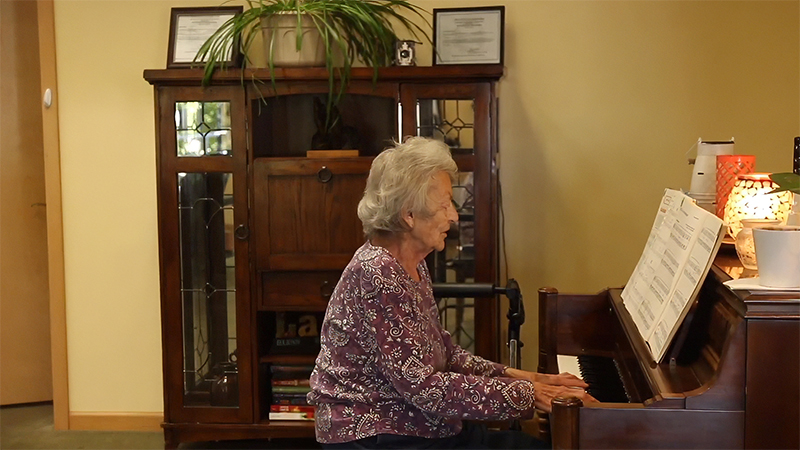
The goal is not to transform the person right into a regulation fan. The objective is to let the setting do a few of the assuming for them.
Why supervision matters greater than most family members expect
Families often undervalue exactly how quickly dementia can alter risk. An individual who still talks well at morning meal may not remember how to utilize the microwave an hour later on. Someone who appears steady while seated may come to be risky as soon as they stand also swiftly. That is why the round-the-clock visibility of qualified staff matters a lot in memory care.
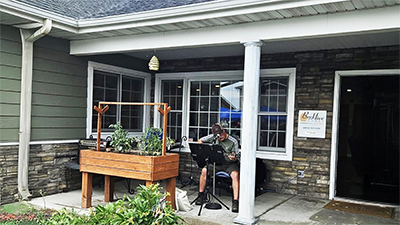
This is not nearly reacting when something fails. It is about seeing the subtle points prior to they become situations. A resident who quits eating lunch might be developing a swallowing issue, not just being choosy. A person that paces all mid-day might be searching for a bathroom, really feeling discomfort, or coming to be overstimulated. Personnel that know the residents well can notice these changes since they see patterns, not simply separated behaviors.
That type of continuity is tough to replicate in a private home, specifically when household caregivers are extended slim. A child might be handling job, youngsters, and elder care. A spouse might be exhausted from busted rest and constant watchfulness. Also one of the most committed household caregiver can miss out on details when they are lugging excessive. Memory care homes lower that stress by dispersing duty throughout a trained team.
Routines lower anxiety, and anxiousness modifications everything
People living with dementia frequently depend on rhythm long after they quit relying on temporary memory. They may not remember what day it is, but they may understand morning meal comes after obtaining dressed, or that a short walk helps before lunch. Foreseeable routines can reduce agitation and make the entire day really feel less slippery.
This is just one of the factors memory care homes often tend to really feel steadier than other elder care setups. Dishes take place on a routine. Activities are repeated in acquainted methods. Showering, grooming, and medicine comply with patterns that residents can begin to anticipate. The predictability is relaxing due to the fact that it lowers the variety of choices an individual needs to make when decision-making is already difficult.
That does not suggest daily equals. Great senior care still leaves room for mood, power, and individual history. A resident who used to garden might illuminate when a caretaker generates natural herbs to kind and scent. A former instructor might respond well to reviewing aloud. A retired technician might delight in folding towels while listening memory care near me to a radio terminal he has actually understood for many years. The most effective regimens are structured without really feeling rigid.
Families sometimes fret that routine ways monotony. In memory care, it typically means the opposite. A tranquil structure produces the problems for participation.
Meals, hygiene, and medicines are not minor tasks
These are the common activities that households commonly speak about just as if they are simple. They are not straightforward when memory loss is involved.
Eating can end up being challenging due to the fact that a resident forgets to begin, loses interest mid-meal, or has problem with utensils. Bathing can set off anxiety, humiliation, or resistance. Drug can be neglected, refused, concealed, or taken twice. Each of these circumstances can quietly impact health and wellness and safety.
Memory care personnel work with these truths every day. Dishes are often served in manner ins which are easier to take care of, with familiar foods and enough time to complete without sensation rushed. Caretakers know just how to hint as opposed to command, which can make the distinction in between cooperation and rejection. As opposed to claiming, "Go take a shower," they might use a towel, clarify one step each time, and maintain dignity as long as possible.
This is where experience matters. A hurried caretaker can escalate a difficult morning. A knowledgeable caregiver understands when to pause, reroute, or attempt once again later. They understand that resistance is typically communication. Often the individual is chilly. Sometimes they are tired. Often they do not understand what is happening. Memory care homes provide staff the moment and setting to respond with persistence as opposed to pressure.
Medication management is another area where households really feel genuine relief. Missing a dose can have effects, specifically when a person is taking medication for high blood pressure, diabetes, pain, or mood changes. In a memory care setup, medication regimens are supervised, documented, and adjusted with scientific oversight as needed. That does not eliminate all danger, but it substantially reduces the mayhem that can originate from attempting to manage pills at home when memory is currently unreliable.
Communication modifications, and great memory care changes with it
One of the hardest components of dementia is that an individual can still have actual feelings long after language begins to slip. They might not remember a conversation five minutes later on, but they bear in mind whether they really felt appreciated. They might not locate the ideal word, yet they understand whether they were hurried, fixed, or dismissed.
Good memory care homes educate team to satisfy residents where they are. That suggests less complex sentences, slower pacing, calm body movement, and fewer options at the same time. It likewise means not saying over details that will only cause distress. If a resident believes it is 1968 and she requires to get her youngster from college, one of the most valuable reaction is typically not a lecture about the schedule. It is confidence, redirection, and interest to the feeling below the statement.
This is one of the locations where memory care varies dramatically from general senior living. The care is not just physical. It is relational. Personnel learn each resident's practices, favored subjects, family members, and triggers. They might know that a person resident works out after folded laundry, while one more needs a stroll prior to supper. That expertise builds trust fund. Trust reduces worry. Concern, greater than amnesia itself, typically drives the hardest behaviors.
Social life still matters, even when memory fades
Families often presume that a person with dementia is no more thinking about social activity. Generally that is not real. The style just needs to change.
Large gatherings, loud occasions, and fast-moving discussions can be exhausting. Yet small, acquainted teams can be remarkably stimulating. A singalong with old criteria might work better than an official performance. Arranging cards, throwing a soft ball, or setting the table can be more engaging than a complicated craft task. The factor is not performance. It is participation.
Memory care homes boost day-to-day live by making link much easier to gain access to. Residents are not laid off for lengthy stretches just since no person understands what to do with them. They have possibilities to engage with personnel and peers throughout the day. That decreases isolation, which matters more than people realize. Solitude can intensify confusion, agitation, and anxiety, specifically in older grownups who currently really feel untethered from their typical routines.
I have seen a resident who seldom talked come to be computer animated during a weekly music group because one tune advised him of his Navy days. I have actually additionally seen citizens who were silent most of the morning brighten instantly when somebody brought in a basket of laundry to fold together. These minutes are small, however they are not trivial. They provide the day form and meaning.
Families get a various type of relationship
One of the excruciating facts of dementia caregiving is that member of the family commonly glide from being little girls, children, and spouses right into being supervisors, displays, and consistent problem-solvers. The partnership gets crowded out by tasks.
Memory care can restore some of that balance. When daily supervision, dish support, safety checks, and behavior monitoring are handled by a professional group, family members can invest even more of their time on link. A partner can sit and hold her hubby's hand without additionally checking whether he took his tablets. An adult child can share old tales with his father rather than scanning for risks. That change matters mentally, and typically practically.
This is additionally where respite care can play an essential function. Some families are not prepared to move a loved one permanently, but they need assistance during a healthcare facility stay, a caretaker holiday, or a period of burnout. Respite care in a memory care setting offers every person a chance to evaluate the waters. Family members can see how their loved one reacts to a structured atmosphere. The older adult gets a safe place with trained guidance. Occasionally that brief stay becomes the very first clear evidence that home care was no longer enough.
That kind of insight is important. Caregiving decisions are much easier when they are based on lived experience rather than concern or guilt.
Not every memory care home is the same
This is where families need to slow down and look very closely. The expression memory care covers a large range of top quality. Two communities may use similar language and fee comparable rates, yet really feel completely various once you go through the door.
What matters is not only whether the building is protected, but whether the atmosphere is tranquil. Not just whether personnel exist, however whether they seem to understand the residents. Not only whether activities are published, yet whether people really take part. A polished sales brochure tells you very bit. A mid-morning visit tells you much more.
When evaluating memory care near me, households need to pay attention to the details that disclose day-to-day life. Are locals clean and comfy? Do personnel speak respectfully? Is there a scent of anti-bacterial covering disregard, or does the area really feel fresh and resided in? Do individuals appear rushed or settled? These monitorings are typically much more sincere than sales language.

A well-run neighborhood must likewise be honest concerning limitations. It should describe exactly how it manages falls, roaming, immune actions, and changes in wellness. If a center assures that every issue will certainly go away, that is an indication. Genuine memory care is not enchanting. It is knowledgeable, conscientious, and truthful regarding what dementia can and can not be repaired to do.
The compromises are actual, and families deserve honesty
Memory care enhances safety and daily life, but it is not the right response for every scenario at every moment. Some people in the beginning of cognitive decline are still much better served by home-based support, adult day programs, or assisted living with included aid. Others need memory care sooner because the threats in the house have actually come to be also serious. The timing relies on the individual, the household, and the pressure on caregivers.
Cost becomes part of the discussion too. Memory care typically costs more than fundamental assisted living because staffing and supervision requirements are greater. That can feel discouraging, particularly when families are currently paying for medicines, home modifications, or outside aid. But comparing only the regular monthly rate misses the larger picture. If the home setting requires several aides, duplicated ER visits, or continuous family members visibility, the evident financial savings may not be real.
There is likewise an emotional trade-off. Moving to memory care can seem like surrender, also when it is the best choice. Family members may grieve the loss of the old home, old routines, and old functions. Those sensations are typical. Good elder care does not pretend otherwise. It gives individuals sufficient sustain to encounter the modification honestly.
What a good day can look like
A good day in memory care is not excellent. It is manageable. The resident awaken in a familiar room, gets aid with dressing if needed, and heads to morning meal without a long, complicated search for the cooking area. A caregiver notices exhaustion and offers a quieter activity as opposed to requiring engagement. Lunch begins time. Medicine is given appropriately. There is a stroll, a game, maybe a favorite tune. If stress and anxiety increases in the late afternoon, team adjust the setting before it turns into a blow-up.
That ordinary solidity might sound small, but also for a person living with dementia it is substantial. Less anxiety. Less injuries. Much more dignity. More chances to prosper at the small jobs that still matter. Much better rest during the night since the day was not a collection of emergencies.
That is the real promise of memory care. Not to eliminate memory loss, due to the fact that it can not. Not to replace family members, because it needs to not. The pledge is to develop a safer, calmer life around the capabilities that continue to be, while securing the person when their own judgment no more can. For several households, that is the point at which stress starts to relieve and better moments begin to turn up once more, someday at a time.
BeeHive Homes of Helena provides assisted living care
BeeHive Homes of Helena provides memory care services
BeeHive Homes of Helena provides respite care services
BeeHive Homes of Helena supports assistance with bathing and grooming
BeeHive Homes of Helena offers private bedrooms with private bathrooms
BeeHive Homes of Helena provides medication monitoring and documentation
BeeHive Homes of Helena serves dietitian-approved meals
BeeHive Homes of Helena provides housekeeping services
BeeHive Homes of Helena provides laundry services
BeeHive Homes of Helena offers community dining and social engagement activities
BeeHive Homes of Helena features life enrichment activities
BeeHive Homes of Helena supports personal care assistance during meals and daily routines
BeeHive Homes of Helena promotes frequent physical and mental exercise opportunities
BeeHive Homes of Helena provides a home-like residential environment
BeeHive Homes of Helena creates customized care plans as residents’ needs change
BeeHive Homes of Helena assesses individual resident care needs
BeeHive Homes of Helena accepts private pay and long-term care insurance
BeeHive Homes of Helena assists qualified veterans with Aid and Attendance benefits
BeeHive Homes of Helena encourages meaningful resident-to-staff relationships
BeeHive Homes of Helena delivers compassionate, attentive senior care focused on dignity and comfort
BeeHive Homes of Helena has a phone number of (406) 457-0092
BeeHive Homes of Helena has an address of 9 Bumblebee Ct, Helena, MT 59601
BeeHive Homes of Helena has a website https://beehivehomes.com/locations/helena/
BeeHive Homes of Helena has Google Maps listing https://maps.app.goo.gl/YUw7QR1bhH7uBXRh7
BeeHive Homes of Helena has Facebook page https://www.facebook.com/beehivehelena/
BeeHive Homes of Helena has an YouTube page https://www.youtube.com/user/BeeHiveCare
BeeHive Homes of Helena won Top Assisted Living Homes 2025
BeeHive Homes of Helena earned Best Customer Service Award 2024
BeeHive Homes of Helena placed 1st for Senior Living Communities 2025
People Also Ask about BeeHive Homes of Helena
What is BeeHive Homes of Helena Living monthly room rate?
The rate depends on the level of care that is needed. We do an initial evaluation for each potential resident to determine the level of care needed. The monthly rate is based on this evaluation. There are no hidden costs or fees
Can residents stay in BeeHive Homes until the end of their life?
Usually yes. There are exceptions, such as when there are safety issues with the resident, or they need 24 hour skilled nursing services
Do we have a nurse on staff?
No, but each BeeHive Home has a consulting Nurse available 24 – 7. if nursing services are needed, a doctor can order home health to come into the home
What are BeeHive Homes’ visiting hours?
Visiting hours are adjusted to accommodate the families and the resident’s needs… just not too early or too late
Do we have couple’s rooms available?
Yes, each home has rooms designed to accommodate couples. Please ask about the availability of these rooms
Where is BeeHive Homes of Helena located?
BeeHive Homes of Helena is conveniently located at 9 Bumblebee Ct, Helena, MT 59601. You can easily find directions on Google Maps or call at (406) 457-0092 Monday through Sunday Open 24 hours
How can I contact BeeHive Homes of Helena?
You can contact BeeHive Homes of Helena by phone at: (406) 457-0092, visit their website at https://beehivehomes.com/locations/helena/, or connect on social media via Facebook or YouTube
Visiting the Mount Helena City Park provides scenic overlooks that can be enjoyed by residents in assisted living or memory care during senior care and respite care outings.